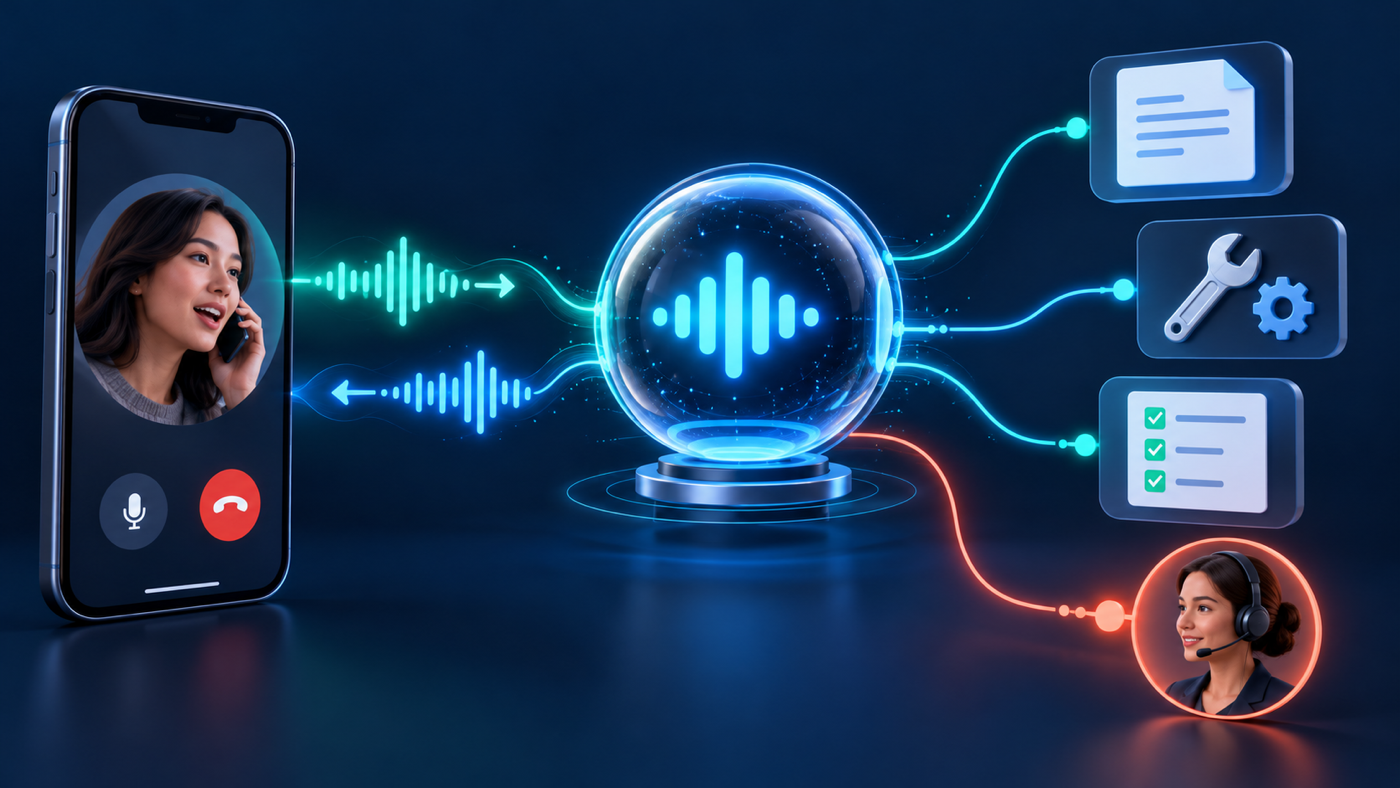
Grok Voice 3.0 launched on October 14, bringing a new speech-to-speech model to the xAI Voice Agent API without increasing its $0.08-per-minute price. The company says it delivers sub-second response latency and also powers Grok Bot’s voice mode.
A model upgrade without an API rebuild
The developer change is deliberately small: the endpoint, session settings, and events remain unchanged. Applications using grok-voice-latest now select 3.0 automatically. Developers pinned to the deprecated grok-voice-2.0 model need to update their model selection to grok-voice-3.0 or the latest alias.
The speech-to-speech API streams live audio bidirectionally and supports tool use. Those capabilities are part of the existing voice-agent platform; this release replaces the model underneath it.
Conversations that lead to supported actions
This is about agents that act during a conversation, not just voices that read scripts. That is a different workflow from expressive text-to-speech generation such as Fish Audio’s Drama 3: a live agent must listen, respond, and use the tools available to it as the conversation develops.
As a deployment example, the company says Starlink uses Grok Voice for 20,000 customer calls daily, resolving roughly 70% without human intervention. Those are company-reported operational figures, not an independent audit or a guarantee for another deployment.
Why it matters for builders
- Easier evaluation: existing integrations can test the new model without rebuilding their API connection.
- More useful voice interfaces: tool-connected agents can move from answering questions to completing supported tasks.
- A concrete product opportunity: for SunMarc App Labs, a voice guide grounded in an app’s help content could be worth evaluating. Success should mean users finishing tasks—not simply hearing a convincing voice.
The QR Remix user guide offers one possible grounding source for such an evaluation. This is a proposed use case, not an announced SunMarc voice feature.
The practical test is whether the agent handles interruptions, uses the right tools, and knows when to hand over to a person. Latency and voice quality matter, but task completion and appropriate escalation decide whether the interface is useful.