Google introduced Gemini 4 Neon on November 18, adding a model aimed at complex coding, analysis and tool-heavy agent workflows. Google positions it between Hydrogen's everyday execution and Carbon's hardest, long-running projects. It is rolling out across the paid Gemini API, eligible Antigravity plans, and the Gemini app for Pro and Ultra subscribers. See the official announcement.
API access, thinking levels and pricing
For developers, gemini-4-neon is generally available with a unified one-million-token API context window and four thinking levels: low, medium, high and xhigh. High is the default, according to the API release notes.
Standard API rates are $3 per million input tokens and $15 per million output tokens, with thinking included in output billing. Neon has no free API tier; grounding tools can add charges. These are Standard token rates, not an all-in price for a completed agent task. The API pricing page separates token costs from tool usage and other processing tiers.
Neon plans and reviews; Hydrogen implements
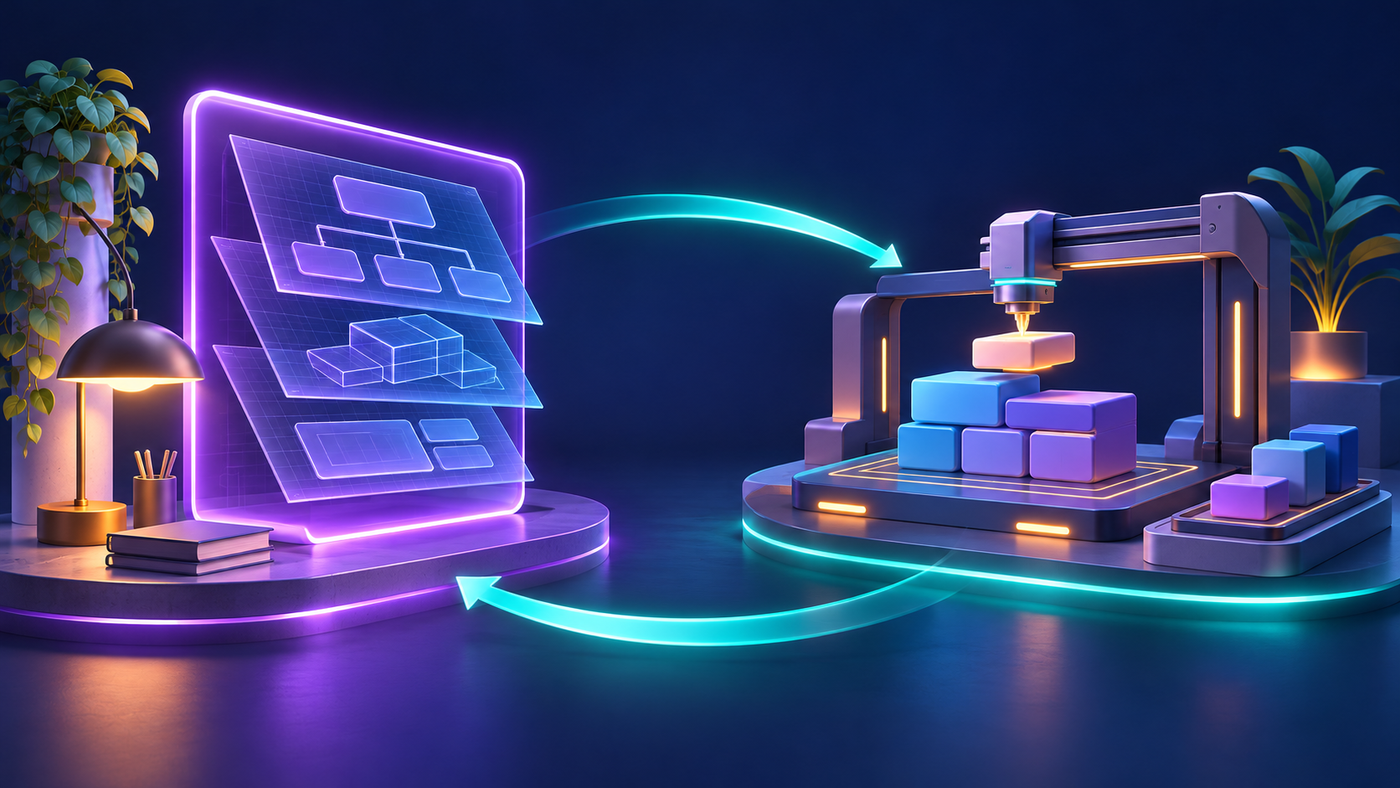
Antigravity's Orchestrator (Neon) uses Neon for planning and review, while Gemini 4 Hydrogen handles implementation. This extends the existing two-model workflow rather than introducing orchestration for the first time.
Product limits matter: Antigravity documents up to 512K tokens of context, rather than the API's one-million-token window. Its model guide lists Neon and Orchestrator (Neon) for Google AI Ultra and eligible Pro plans, including qualifying premium-device trials. API access and Antigravity access should not be treated as interchangeable entitlements.
Why it matters for builders
For builders, the useful question is whether separating planning from implementation improves completed work—not just benchmark scores.
For SunMarc App Labs, multi-file Android fixes and website refactoring would be practical evaluation tasks. Compare accepted changes, review effort and total cost against the current workflow. A model's role in the task, its context limit and the supervision it needs all affect that comparison.
We have not tested Neon yet. This is a proposed evaluation, not a hands-on performance result. For the preceding release and the original planner-to-executor approach, see our Gemini 4 Hydrogen and Antigravity Orchestrator coverage.